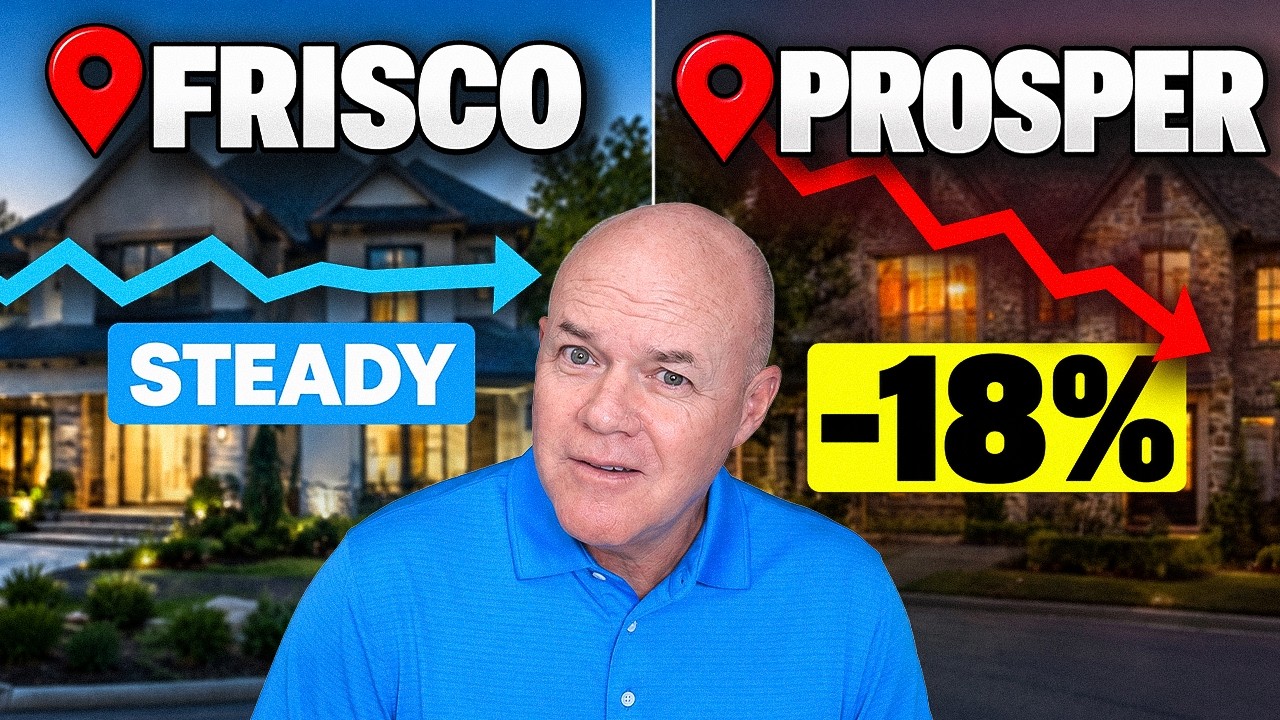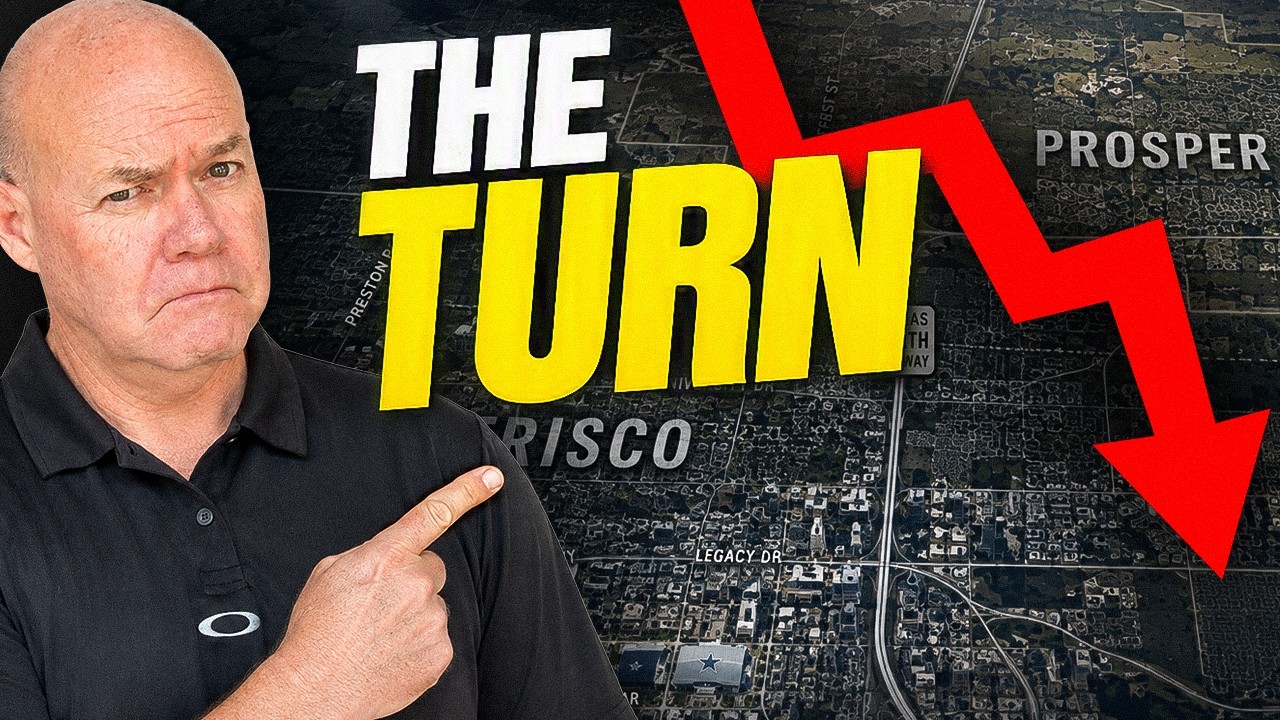
Is a Foreclosure Crisis Coming to Frisco and Prosper? What the County Records Show
If you've been watching YouTube or scrolling the headlines lately, you might think the next foreclosure crash has already started here in North Texas. So instead of guessing, I went straight to the courthouse records, the actual foreclosure postings for Collin and Denton counties. What I found tells a completely different story.
I've been in real estate for 24 years, which means I sold homes right through the last real foreclosure crisis. I know what one looks like, and this isn't it. Here's what the numbers show for Frisco, Prosper, Celina and McKinney, how today compares to 2008, and why I believe this market is creating an opportunity that won't be here 2 or 3 years from now.
How foreclosures work in Texas
In Texas, foreclosure auctions happen on the first Tuesday of every month at the county courthouse. Before a lender can sell a home at that auction, it has to post a public notice. That posting list is the best early warning system we have, because it shows what's coming before it happens.
But here's the part a lot of the scary videos skip: a posting is not a foreclosure. Historically in North Texas, only about 30 to 40% of posted homes actually end up selling at auction. The rest get caught up on payments, refinance, sell on their own, or the lender simply pulls the sale.
Banks don't want these homes
Banks are in the business of lending money, not owning houses. When a bank takes a home back, it has to maintain it, insure it, pay the property taxes and HOA dues, and then turn around and sell it, usually at a substantial loss.
That's why foreclosure is the absolute last resort. Lenders will work with a homeowner on a payment plan, a loan modification, forbearance, or a short sale long before they ever want to take the keys back.
The local foreclosure numbers
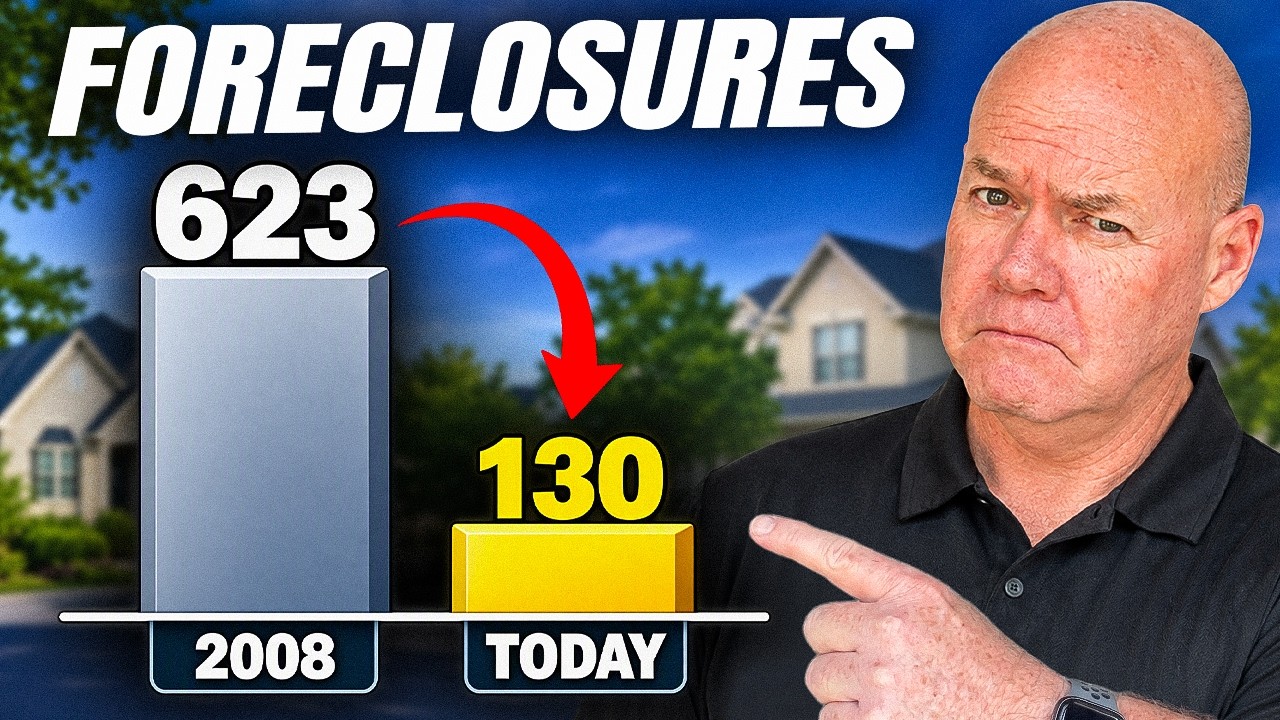
In late October 2026, Collin County had about 130 homes posted for the November foreclosure sale, and Denton County had about 100. Broken down by city, using the November and December postings combined to be generous:
- McKinney: about 30 postings
- Frisco: about 20 postings (Frisco sits in both counties)
- Celina: about 10 postings
- Prosper: about 6 postings
To put Frisco in perspective, Frisco closed 179 home sales in September alone, and close to 1,000 homes are actively for sale. About 20 postings over 2 months, knowing only a fraction will ever reach auction, is not a foreclosure wave.
Across Collin and Denton counties, roughly 1 out of every 3,000 homes is even being posted, and fewer than that actually complete the foreclosure process.
If you own a home here and want to know what it's actually worth in today's market, not what a headline says, get a free home valuation.
What a real foreclosure crisis looked like
Now compare that to the real thing:
- February 2008: Collin County had 623 homes posted for foreclosure in a single month.
- July 2010: Denton County hit its all-time record with 715 postings in one month.
- 2010: across Dallas, Tarrant, Collin and Denton counties, nearly 64,000 homes were posted for foreclosure in a single year.
Today, Collin County's monthly postings are down roughly 80% from that 2008 month, and Denton County is down about 85% from its record. And both counties have far more people and far more homes than they did back then.
The COVID "foreclosure tsunami" that never came
We've heard this story before. When COVID hit in 2020, videos everywhere predicted a tsunami of foreclosures that would make 2008 look small. The market was supposed to collapse. It never happened. Home values in North Texas didn't just hold, they soared, and the people who waited ended up paying more.
The reason it didn't happen then is the same reason it isn't happening now:
- Most homeowners have real equity. Unless they bought right at the peak, most owners are sitting on a substantial amount of equity in their homes.
- Lending standards are nothing like the mid-2000s. Back then, many loans were made without tax returns, pay stubs or bank statements. Today, borrowers have to fully document their income and assets.
So in the vast majority of cases, a homeowner who runs into trouble can sell, even below market, and still walk away with money in their pocket rather than hand the house back to the bank.
What's real in today's market
None of this means the market is easy right now. It isn't. There's more inventory than we've had in years. In September, McKinney had about 4.3 months of inventory, Frisco about 4.9, Prosper about 6.4 and Celina about 7.6. Roughly 5 to 6 months is a balanced market, and above 6 favors buyers.
Mortgage rates are sitting above 7%, so affordability is a real challenge. Homes are taking longer to sell and closing on average about 3 to 5% under list price. Sellers have to price it right, and homes that aren't move-in ready simply aren't selling.
Then vs. now for buyers
Just a few years ago, in 2021 and early 2022, buyers were stuck in bidding wars. They were deciding on a home after walking through it for 5 minutes alongside 10 other buyers, and many had to bring extra cash to closing to cover the gap when the appraisal came in below the contract price.
Today it's nothing like that. Buyers have choices. You can negotiate. Sellers are offering concessions, builders are offering incentives and rate buydowns, and there are genuinely great deals out there for buyers who know where to look. That doesn't mean anyone who isn't ready should rush in. It does mean that for buyers who are ready, there's a real window of opportunity.
Why I don't think this window lasts
North Texas keeps growing. The region is on track to reach 9 million people, and Collin County alone added roughly 47,000 people in a single year. The North Dallas corridor is booming too, with Fields West, the AT&T redevelopment in Plano, Firefly Park and more. And look at what's happening with the financial industry in Dallas:
- Goldman Sachs is building an 800,000 square foot campus downtown with room for more than 5,000 employees.
- The Texas Stock Exchange started trading this summer.
- The New York Stock Exchange and Nasdaq have both opened Texas operations.
That's why people are calling it "Y'all Street." Those are high-paying jobs, and many of the people filling them will want to live in places like Frisco, Prosper, Celina and McKinney. My belief is that buyers have a window of maybe 2 to 3 years before it starts to close, as more buyers return and prices keep moving.
The bottom line
The next time you see a video saying foreclosures are about to flood our area, remember the numbers, and remember that the banks don't want those homes back either. A few dozen postings in our cities is not the same thing as hundreds a month during the real crisis.
Thinking about buying or selling in Frisco, Prosper, Celina or McKinney?
If you want a straight answer on what this market means for you, let's talk. In a free 30-minute call, we'll walk through your specific situation so you can make the best decision for you.
Foreclosure posting counts come from public county Notice of Sale filings as of late October 2026 and change daily. Market figures are all residential, September 2026, from AgentIntel and the NTREIS MLS.
Categories
Recent Posts